Our organization, Tiny Thoughts — turning kindness into tangible support — focuses on spreading awareness through advocacy and volunteer work in order to create opportunity in society and benefit those in need. While considering which topic to focus on, we ultimately decided to immerse ourselves in the topic of bullying and aggression between adolescent girls. While it may seem common or just a phase girls go through, it is an issue that many dismiss because it happens beneath the surface.
Odd Girl Out by Rachel Simmons connects directly to our mission: it points out problems that need to be addressed and raises awareness about the real, often invisible, experiences of teenage girls.
Rachel Simmons is an educator, coach, and co-founder of the Girls Leadership Institute. In Odd Girl Out, she explores different forms of aggression present in the lives of adolescent girls — and how society's expectations quietly shape them.
She explains how boys are often raised in ways that allow for open expressions of rage and conflict — society wants to keep a "tough" image. Girls, on the other hand, are often taught to hold back their aggression in order to maintain the image of a "good girl." The expectations are significant: be nice before anything else, never directly express anger, have lots of friends, never fight. As a result, girls are pressured into expressing aggression indirectly — and learn to treat relationships as weapons.
Even when girls recognize these behaviors within their friend groups, they frequently remain in toxic relationships due to a fear of isolation — they would rather stay in a harmful situation than face being alone.
Simmons highlights the significant harm of these three types of aggression — particularly how they damage friendships and cause deep emotional harm while going largely unnoticed by adults.
The aggressor signals through body language that something is wrong but refuses to acknowledge the issue. This creates misunderstandings as the target is left to guess what happened, often blaming themselves — and the tension escalates into bigger conflict over time.
Girls may exclude others as revenge or due to unresolved feelings while still avoiding direct confrontation. Aggressors may also use threats — like ending a friendship — to maintain control, leaving the victim feeling trapped. The fear of isolation prevents many from leaving or building new relationships.
Social aggression reinforces these patterns through spreading rumors, orchestrated exclusion, and public shaming. These behaviors further intensify emotional impact on the victim, affecting self-esteem and sense of belonging.
The digital age has made these patterns worse. Social media gives girls a platform to act on these impulses anonymously or at scale — private accounts, close-friends-only stories, and group chats that exclude a single person are modern extensions of the same behaviors. The fear of missing out intensifies everything, and adults have even less visibility into happening outside school.
Simmons also unpacks the bystander's role: middle-girls who are caught between two sides often feel a lose-lose pressure, and without the "luxury" of social security, many girls will do almost anything — including participating in aggression — to survive the social environment of school.
To address the damage caused by indirect, relational, and social aggression, it is crucial to:
However, real challenges stand in the way. Adults are often too busy with their own responsibilities to notice the small signals. Aggressors use covert behavior — appearing perfect and kind in front of adults — making it even harder to detect. Victims themselves can struggle to recognize their own situation because the negative mindset built up through these aggressions clouds their perspective. And when victims act withdrawn, they may be misread as lacking social skills rather than needing support.
At the heart of it all, communication is key — but ego gets in the way. No one wants to be the first to apologize or admit fault. Building cultures where honesty is safe, and where saying sorry is seen as strength rather than loss, is the long-term answer.
Beyond research, our team brought these lessons directly to a group of kids by leading an interactive session on what makes a relationship feel good (happy, safe, loving) versus bad (angry, sad, scared).
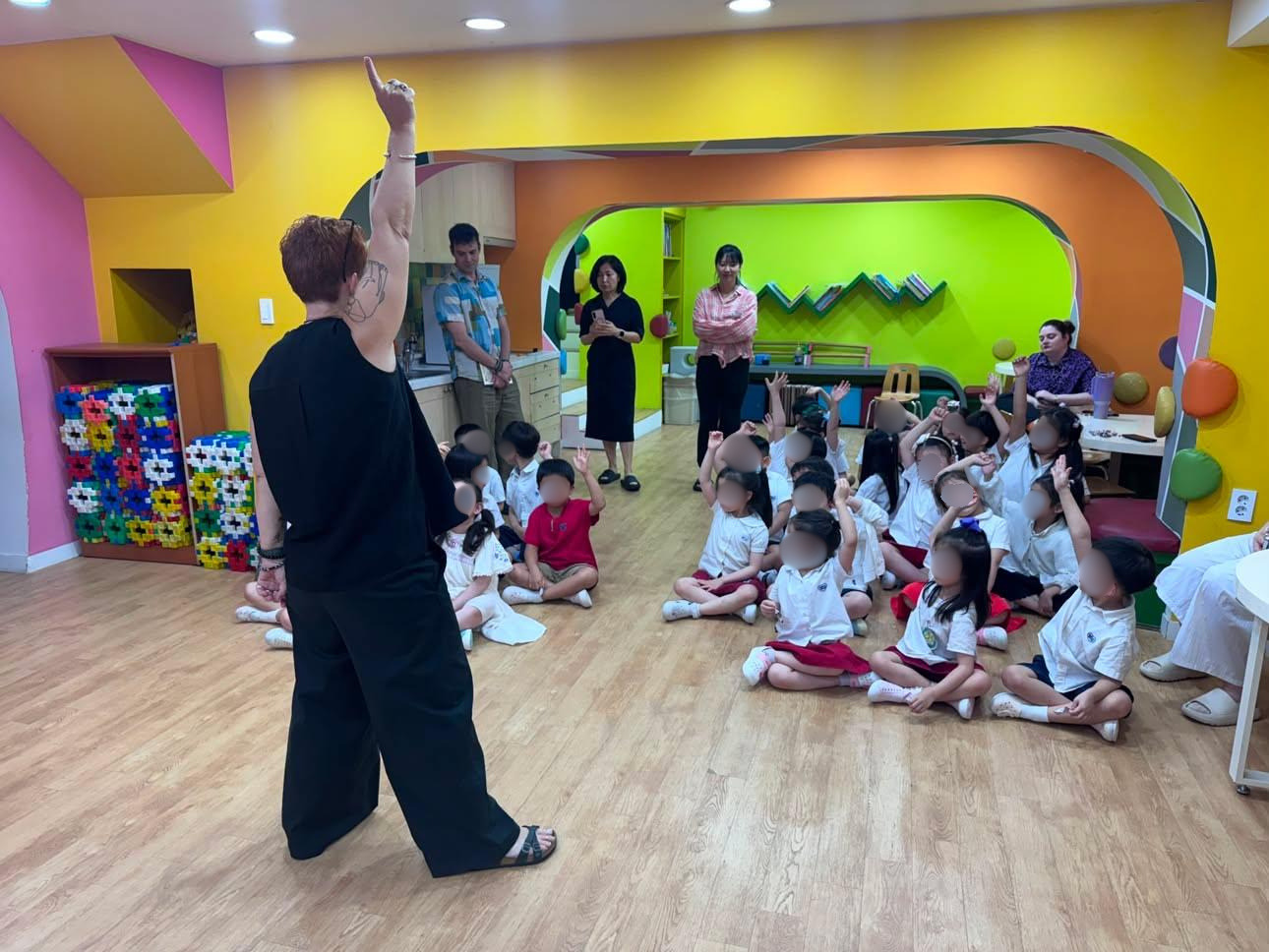
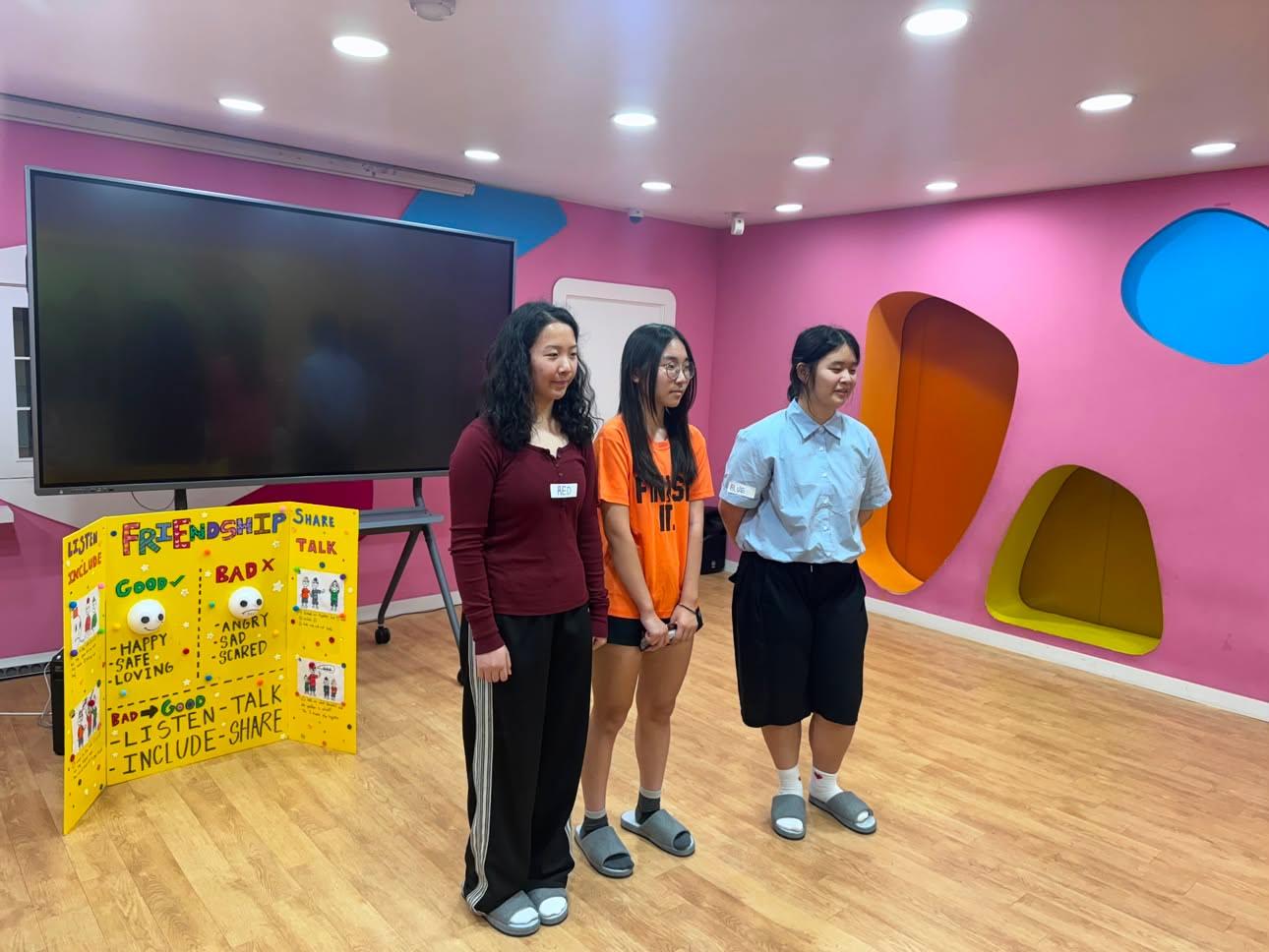

Odd Girl Out by Rachel Simmons highlights how differences in the way boys and girls are raised lead to indirect, relational, and social aggression among girls. Although these forms of aggression are often difficult to detect, they can have serious impacts on relationships, communication, and emotional well-being.
Creating supportive environments, raising awareness, and encouraging clear and direct communication can help address these issues — but covert behavior and a lack of recognition make it difficult. Overall, awareness of these behaviors is an essential first step toward building healthier relationships and a more supportive social environment.
This is exactly why Tiny Thoughts exists: to shine a light on the things that often go unseen.
Tiny Thoughts is always looking for curious minds — whether you want to join our exec team, contribute research, or just follow along.
 Tiny Thoughts